


Exploring the Hokitika Gorge: A Packrafter’s Paradise on the West Coast

The Hokitika Gorge is one of the most breathtaking river systems in New Zealand — and arguably, the world. It’s a must-see for anyone passionate about wilderness adventure, turquoise water, and the thrill of paddling through untouched West Coast beauty.
Whether you’re a beginner packrafter looking for a scenic float or an experienced whitewater paddler chasing challenging gorges, the Hokitika has something for everyone.

The Magic of the Packrafting the Hokitika Gorge
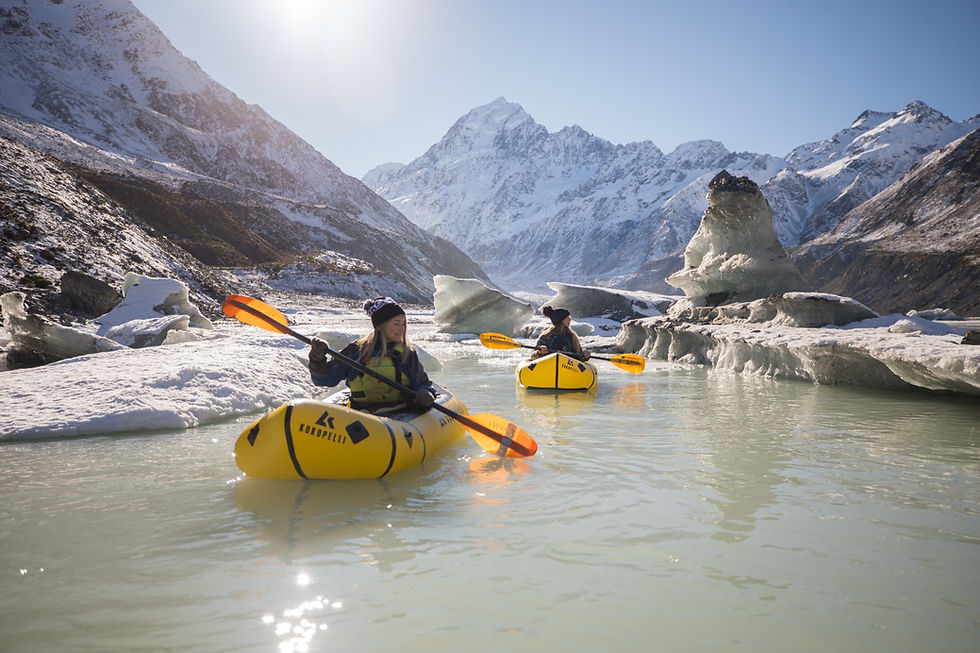
Located near Hokitika on the South Island’s rugged West Coast, the Hokitika Gorge is world-famous for its vibrant turquoise blue water and stunning granite pools. Its surreal colour comes from glacial flour suspended in the river — a hallmark of the region’s meltwater streams.
The lower Hokitika Gorge is a popular tourist destination with a well-maintained walking track and swing bridge, but beyond the public viewing platforms lies a world few ever see — a remote wilderness river system ideal for packrafting and kayaking adventures.

The Legendary “Gates of Argonoth”
The Gates of Argonoth is a jaw-dropping canyon that has to be seen to be believed. The name dates back to the heyday of New Zealand whitewater heli-kayaking.
Years ago, a large boulder was wedged in the gorge, forming a natural “gate” that paddlers could pass beneath. This iconic feature was immortalised in Graham Charles’ New Zealand Whitewater kayaking guidebook and even appeared on a popular NZ postcard.
In a major flood years later, the rock was dislodged and washed downstream, but the name — and the legend — remain. Even without the original “gate”, this spot is still one of the most spectacular river features on the West Coast.

Lower Hokitika: A Perfect Beginner Packrafting Trip
The lower Hokitika tourist gorge offers a perfect Class I–II packrafting trip for beginners. The section combines mellow currents, breathtaking scenery, and the unique experience of floating beneath towering granite walls and native rainforest.
It’s worth checking the river entrance at higher flows, as the current can push into a bluff on the right-hand side.
Adventurers can turn the trip into a two-day mission by hiking up to Rapid Creek Hut, which gives access to slightly more technical Class II–II+ sections for those wanting a little more excitement.

The Upper Hokitika: A True West Coast Classic
Further upstream, the Hokitika transforms into a technical, low-volume whitewater river — a labyrinth of tight drops, sieves, and deep, committing gorges.
This section demands skill and respect. It’s recommended only for experienced Class IV paddlers with strong self-rescue skills and a capable team. Because of the gorge’s steep, locked-in nature, not all rapids offer safe rescue or portage options.
Typically, one paddler will run a rapid and eddy out below to set safety for the rest — meaning if someone swims, safety may not yet be in place. A solid, dependable team is essential.
Above the Kawau Gorge, the river becomes Class IV–V and is generally not suitable for packrafters.

The Mungo: New Zealand’s Whitewater Masterpiece
For whitewater kayakers who dream big, the legendary Mungo section — a two-day mission linking the upper Hokitika and Mungo Rivers — is one of the most iconic whitewater runs in the world.
However, it’s far too committing for packrafts due to its continuous high-gradient rapids, isolation, and technical difficulty. Still, it’s worth mentioning for its sheer beauty — the Mungo Valley scenery ranks among the most jaw-dropping wilderness landscapes anywhere.
Barny rates the stunning Frisco Canyon as one of the most spectacular places he’s ever been lucky enough to float through.

Why the Hokitika Should Be on Every Packrafter’s Bucket List
Few rivers combine such beauty, accessibility, and variety as the Hokitika. From gentle turquoise pools to challenging whitewater gorges, it’s a river that inspires awe and commands respect.
Whether you’re floating the lower gorge on a sunny afternoon or scouting rapids deep in the backcountry, the Hokitika reminds every paddler why we fell in love with rivers in the first place.

Quick Facts for Packrafters
Location: Hokitika Gorge, West Coast, New Zealand
Lower Section: Class I–II, suitable for beginners
Rapid Creek Hut Trip: Overnight, Class II–II+
Upper Hokitika / Kawau Gorge: Class IV, experts only
Scenery: Turquoise water, native bush, granite canyons
Access: 30-minute drive from Hokitika township

Responsible Packrafting on the West Coast
The Hokitika River is a dynamic and powerful alpine river — conditions can change quickly with rain or snowmelt. Always check weather and flow data, travel with an experienced group, and carry appropriate safety gear, including a drysuit, throw-bag, and satellite communicator.
Respect the land, wildlife, and rivers — and leave no trace so others can enjoy the same wild beauty.


The article provides a comprehensive overview of the Hokitika Gorge's different sections, highlighting its appeal for various skill levels. However, the mention of the Mungo section raises important questions about accessibility for packrafters. The concept of "Lucky Dreams" can be deceptive; while the river offers stunning beauty, it also demands respect and responsibility from paddlers. Understanding the risks is paramount for a safe adventure.
The article effectively highlights the multifaceted nature of the Hokitika Gorge, showcasing its appeal to both beginners and seasoned adventurers. The mention of the changing conditions is particularly crucial as they can provide a Big Boost in adrenaline or risk. This variability underlines the importance of preparation and respect for the environment when navigating these stunning waters.
The article provides a detailed overview of the Hokitika Gorge, illustrating its unique features and challenges for paddlers. The mention of the legendary Mungo section highlights the complexity of the river, reflecting the need for respect and caution. For those seeking adventure, the discussion of various skill levels needed for each section underscores the river’s dual nature of beauty and danger, akin to a mirax casino experience.
Reading about places like Hokitika Gorge always reminds me how much outdoor adventure depends on preparation, timing, and good decision-making. Whether people are planning a packrafting route, checking weather conditions, or discussing river safety, there’s usually a strong community aspect behind the experience. The same idea appears in digital entertainment, where users exchange opinions, compare statistics, and follow performance trends together. While looking into different resources connected with sports predictions and interactive game analysis, I came across the https://luckycoin-nz.com/app/ platform, which presents information about how the application works and why many users follow modern sports betting discussions online.
The article presents a thorough examination of Hokitika Gorge, showcasing its stunning landscapes and varied paddling experiences. However, it raises important considerations about safety and environmental respect in such pristine areas. The mention of a reliable team is crucial, especially when tackling challenging sections. Exploring the gorge is undoubtedly rewarding, but paddlers must prepare adequately. Jonny Jackpot truly https://jonnyjackpot.nz/ captures the essence of this wild location and its adventures. It's a reminder of nature’s power and beauty, encouraging responsibility among adventurers.